Discover the wonders of Mars and its legendary rovers
Mars presents a very hostile environment for human life. One of the biggest problems is its thin atmosphere, which is made almost entirely of carbon dioxide. Unlike Earth, it doesn’t have enough oxygen for humans to breathe, and offers no protection against harmful space radiation.
The planet is also extremely cold, with average temperatures around -60°C, and it can drop even lower during the night. Without strong thermal protection, it would be impossible to survive outdoors.
Adding to these problems, massive dust storms are common on Mars. These storms can cover the entire planet and last for weeks or even months. They block sunlight, damage equipment, and reduce the efficiency of solar panels, which are the main power source for most missions.
Even more dangerous is the radiation. Mars lacks a protective magnetic field and thick atmosphere like Earth, so cosmic rays and solar radiation can directly reach the surface. Long-term exposure to this radiation can cause cancer, organ damage, and weakened immunity. Building safe shelters that block this radiation is one of the biggest challenges for long-term human survival on Mars.
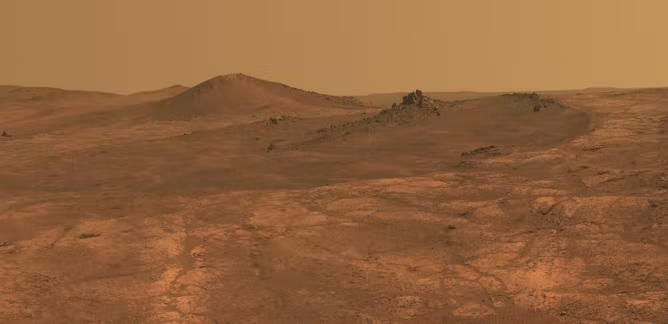
Mars is a planet with extremely limited natural resources for human survival. One of the biggest challenges is the lack of liquid water. There are no rivers, lakes, or rainfall on Mars. Water exists mostly as ice beneath the surface or near the polar regions. Extracting this water is a complex task — it requires advanced machinery, high energy, and time.
Water is essential not just for drinking, but also for growing food, producing oxygen, and even creating rocket fuel. Without a reliable water source, sustaining human life on Mars becomes extremely difficult.
In addition to water, Mars does not naturally offer other vital resources like food, breathable oxygen, or usable fuel. This means that nearly everything required for survival — from food supplies to clothing and tools — would have to be transported from Earth. This is expensive and impractical for long-term missions.
To overcome this, scientists are working on technologies for in-situ resource utilization (ISRU) — a process of using local Martian materials to produce what we need. This includes making oxygen from the CO₂ in the atmosphere, extracting water from ice, and even growing food in Martian soil. Mastering ISRU will be key to building a sustainable colony on Mars.

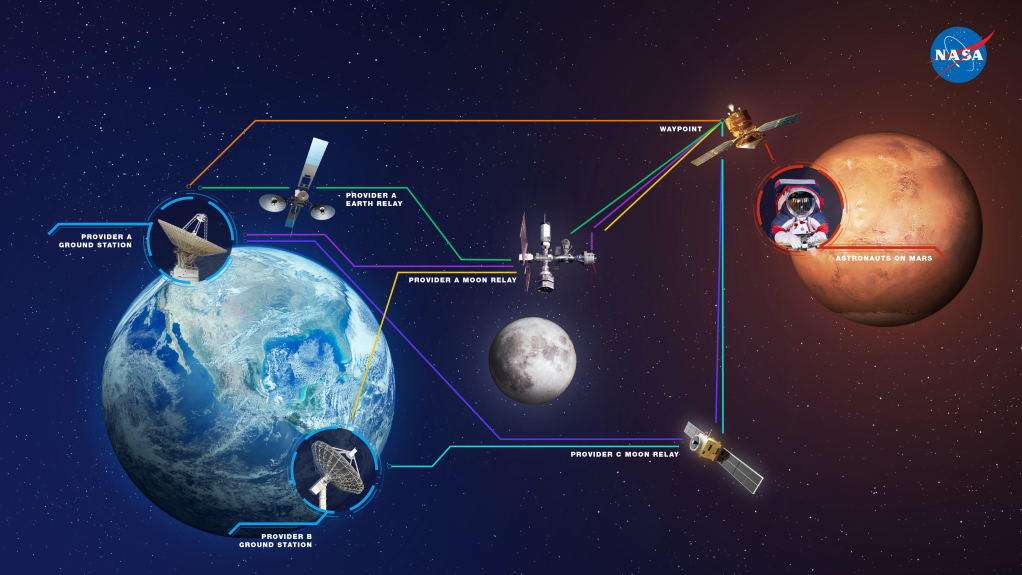
One of the biggest challenges in managing a Mars mission is the delay in communication due to the large distance between Earth and Mars. Depending on their positions in orbit, the distance ranges from 55 million km to over 400 million km. As a result, radio signals can take between 13 to 24 minutes (one way) to travel between the two planets.
This has major implications:
To deal with this, we need to use:

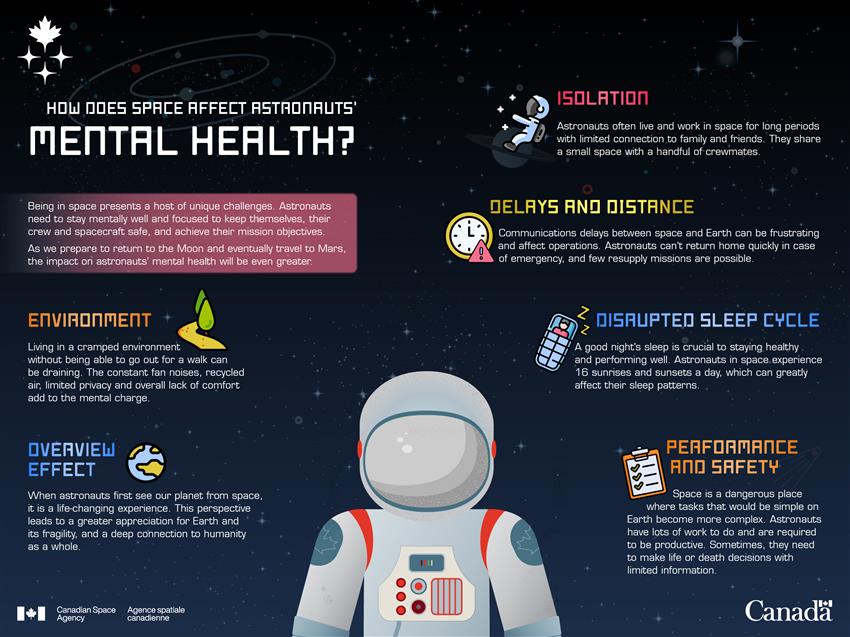
Life on Mars would not only be physically demanding, but also mentally and emotionally tough. Astronauts would be isolated in a confined space with the same group of people for months or even years, without access to nature, fresh air, or outdoor activities.
They will be living in a completely artificial environment, which can feel unnatural and claustrophobic over time. There will be no fresh breeze, no real sunlight (only filtered artificial light), and no opportunity to go outside freely without wearing a bulky spacesuit.

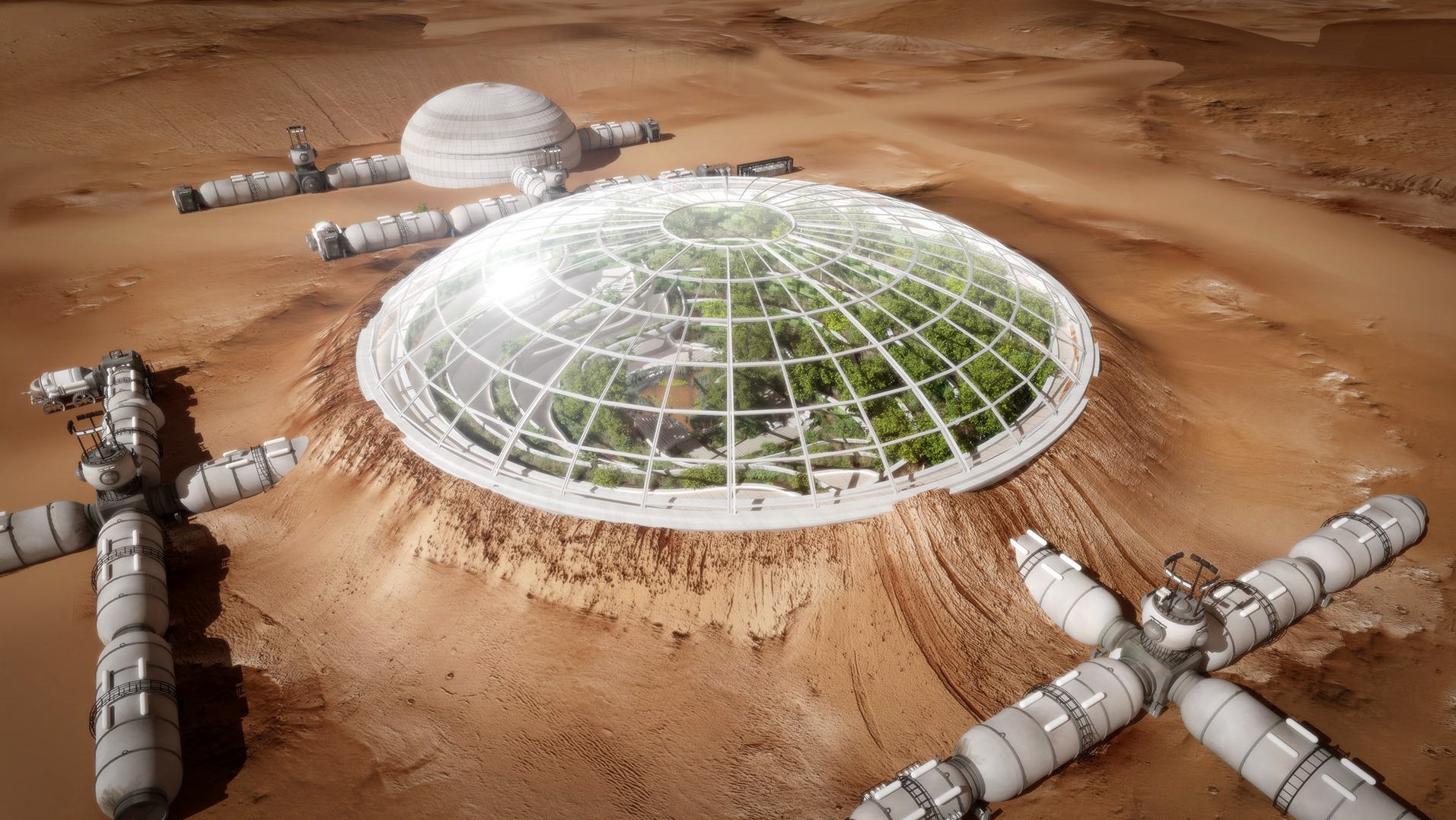
To survive on Mars, humans will live inside specially designed shelters known as habitat domes. These will protect people from Mars’ harsh environment and help them live safely.

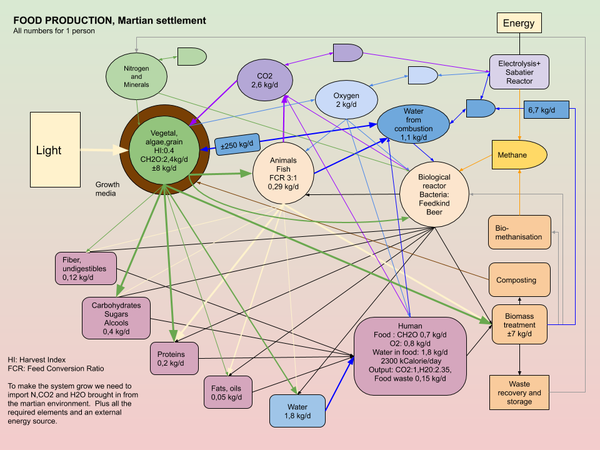
Humans need essential life support systems to survive on Mars, including oxygen, water, and food. Since Mars does not provide these directly, we must produce them using advanced technologies.

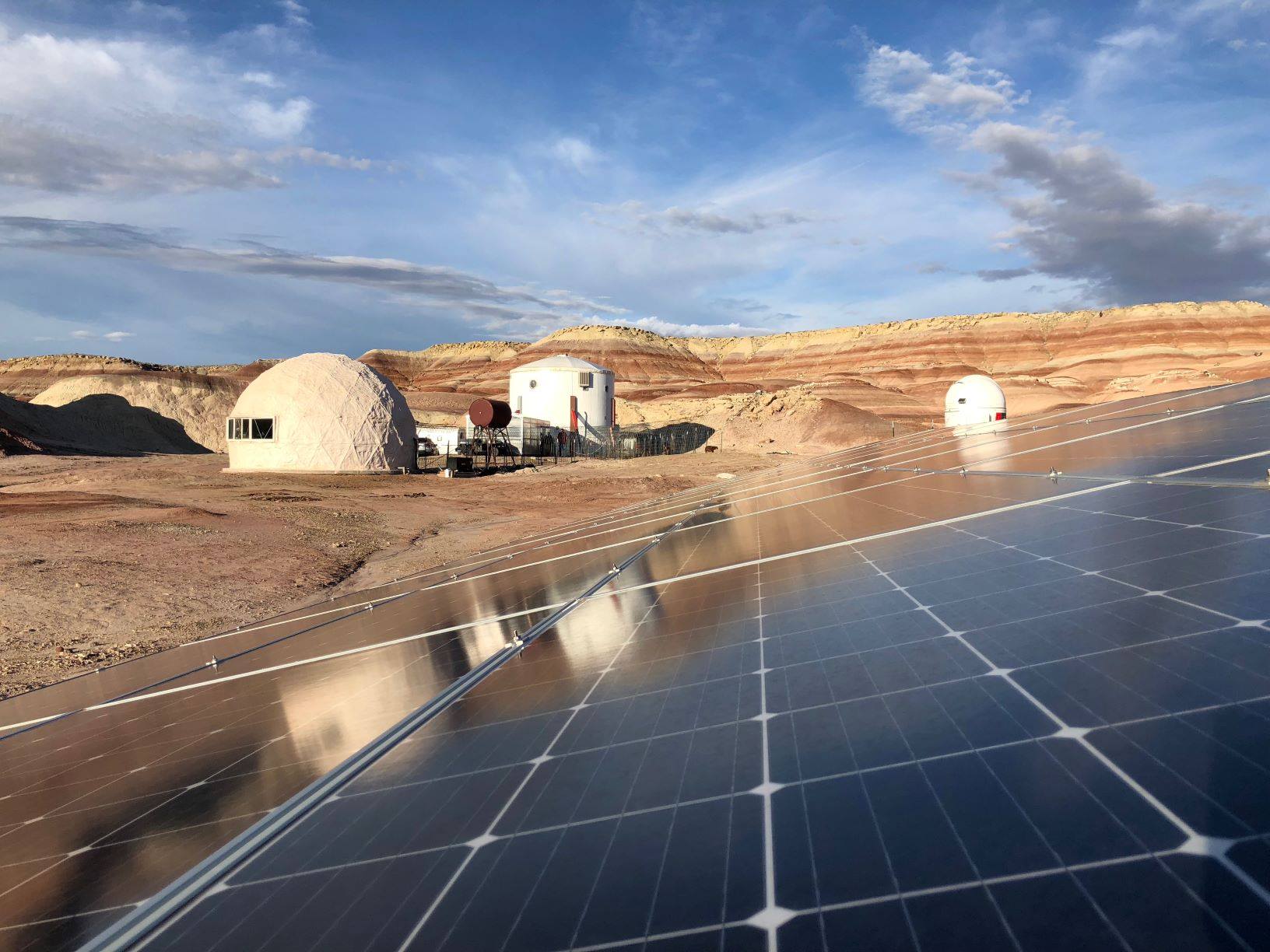
Mars colonies will require stable and reliable energy sources to power life support, communications, heating, and more. Two main energy solutions are being considered: solar and nuclear.

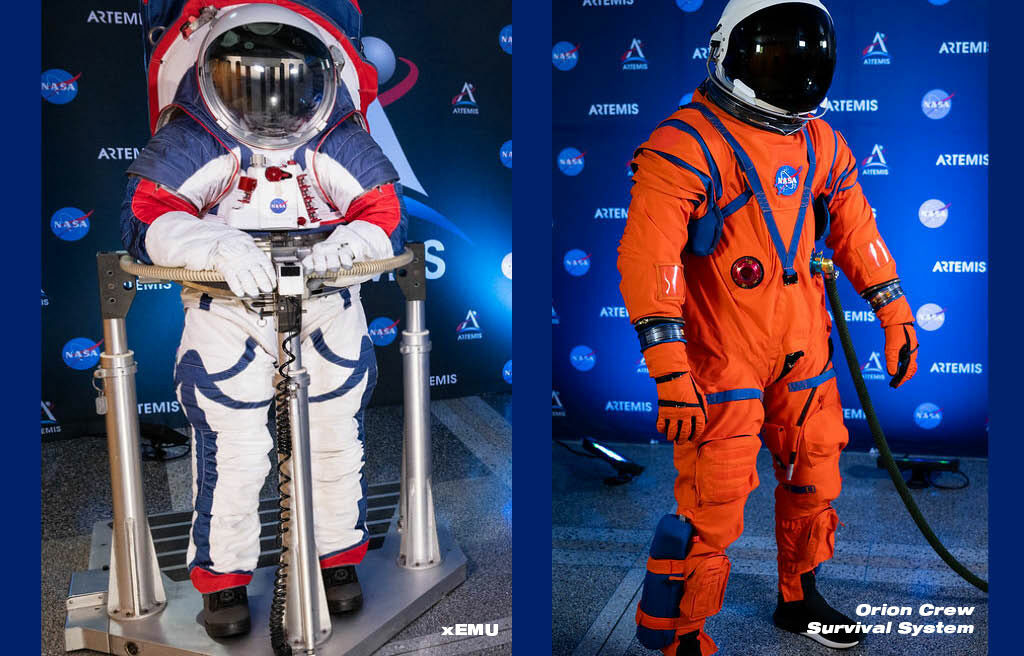
Moving around and working outside will require special tools and vehicles to keep astronauts safe from Mars’ hostile environment.

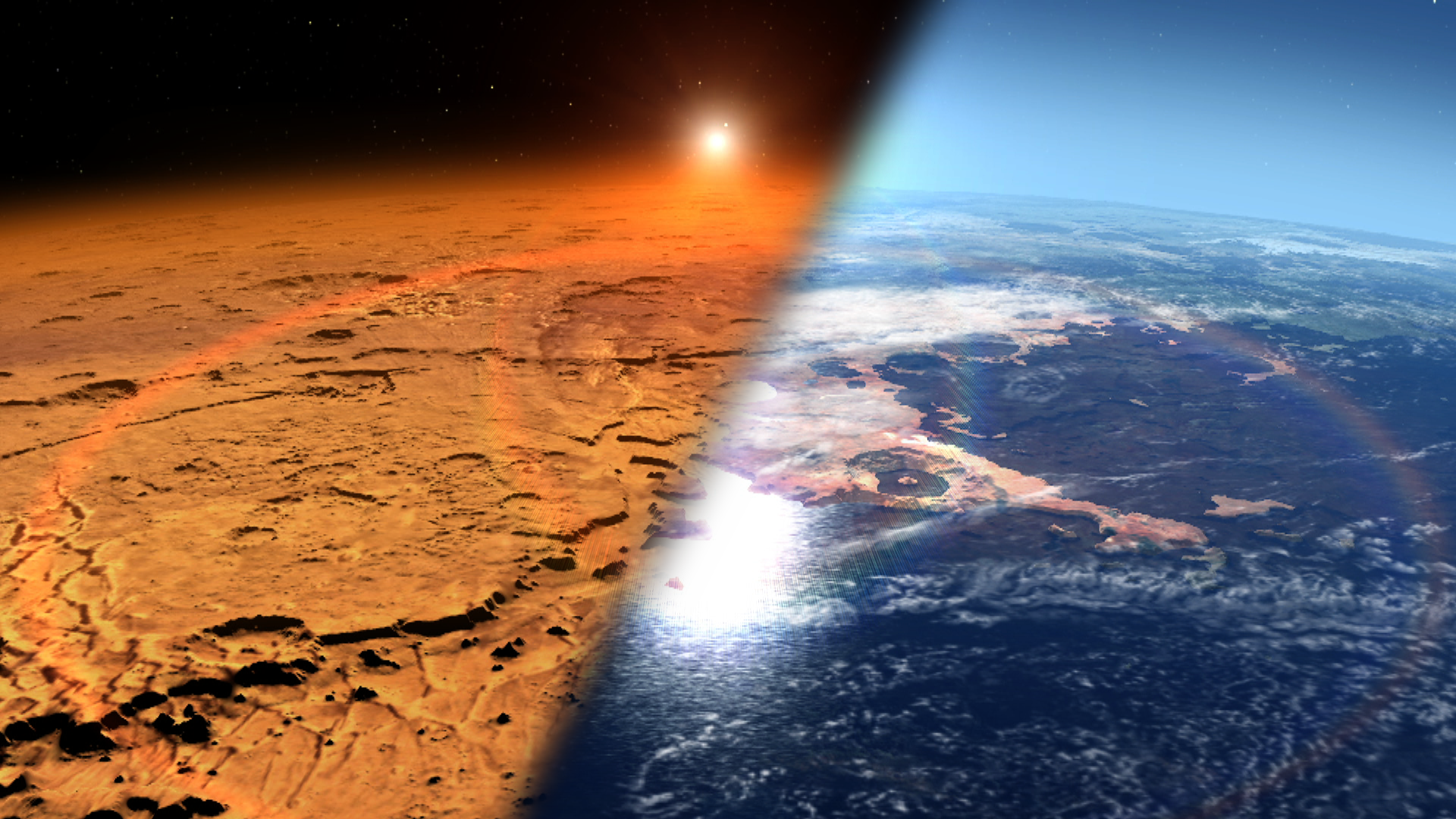
Terraforming means changing the environment of Mars to make it more Earth-like — with breathable air, warmer temperatures, and possibly even rain. This is a very long-term dream and not possible with current technology.